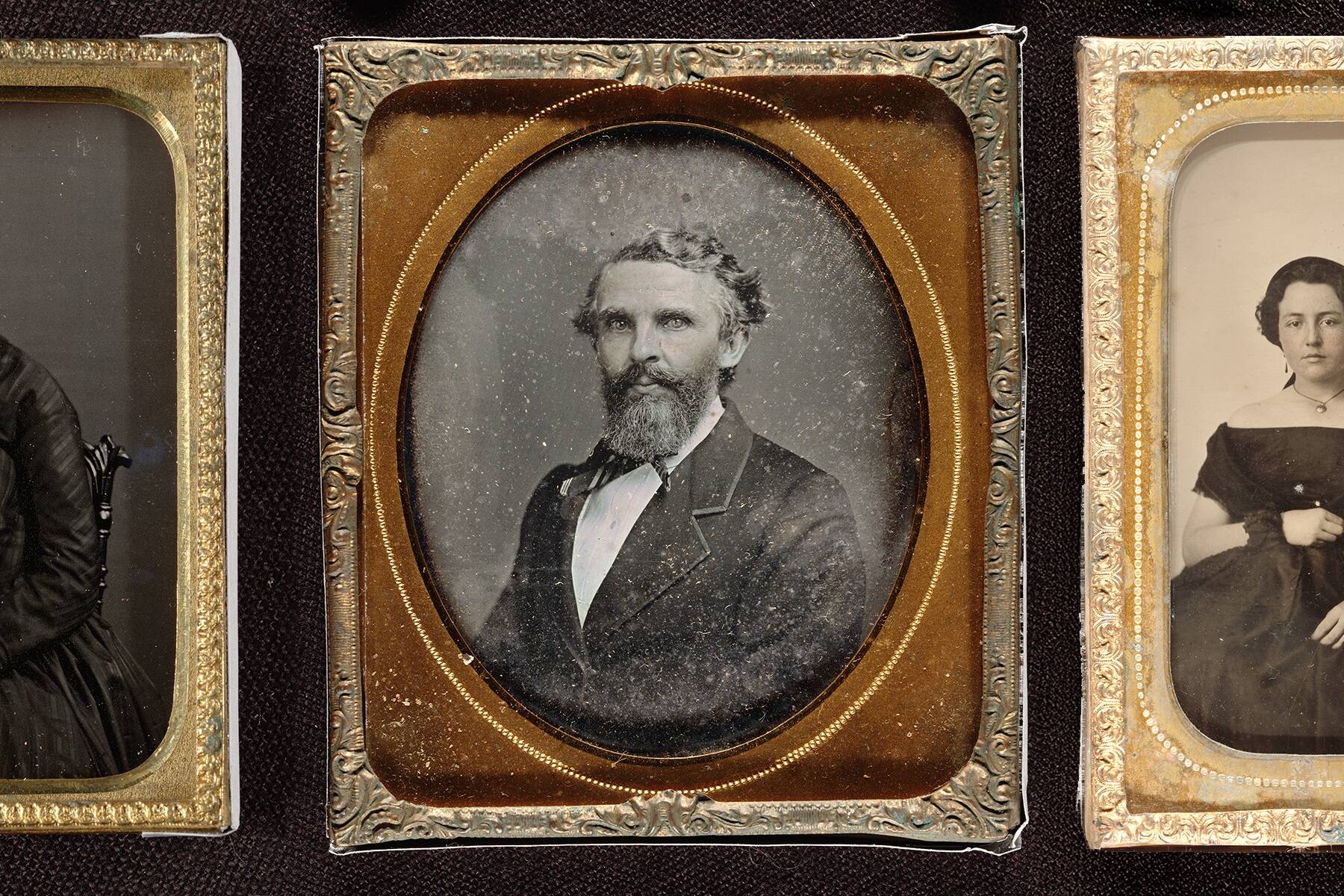

One of Mary Lou’s favorite pastimes is curling up with family photo albums and listening as her loved ones share stories about their family and adventures. “It’s flipping through these pages of skinny kids in tube socks and faded Polaroids that trigger the stories and share our unique history,” she says. “Without them, I never would have known that my grandmother had to work in a silk factory making dolls’ hair when times were tough. These albums unlock the past and help families remember where they started.”
Anne Helen Peterson said something similar in an episode of her Culture Study Podcast, “What Do We Do With All This STUFF??” In the episode, Peterson and professional organizer Tara Bremer answer questions about handling large collections of things, some of which were inherited or have great emotional value. She said:
…when I was a kid, this is part of why I’m a photo person, one of my great pleasures was sitting and leafing through all of our photo albums.
We have dozens of photo albums. And my mom would put little notes next to them and stuff…so much of the story I tell myself about my childhood is really gleaned from the way that these photos were.
People feel strongly about photo albums. This dates back to the 1850’s when the family photo album was central to family history. Mette Sandybe writes, “The family photo album is about social exchange, and sharing it is an act of love and belonging.” Now that we have digital photography, many people wage war on photo albums. They throw them out because they want a certain home aesthetic, or they assume that digital is best, and there is no need to keep physical copies (hint: that’s not always the case).
And yet, the family photo album is one of the first inanimate objects people think to grab when disaster strikes. It is one of the objects people get most possessive about when dividing up an estate. If you have the album, you have the lore. Our ancestors felt the same way.

A Permanent Institution
In his book Photography and the American Scene, Robert Taft writes about 19th-century families:
Home was complete when the Bible and the album could be brought out from the trunks and placed in the center of the room. The Bible was consolation of these wayfarers from a far country; the album was the most direct tie to their past life, for it contained the images of those most loved but now far distant: Father–Mother–Aunt Sue–Sister Mary, and a host of others.
The first photo albums debuted in the late 1850’s, but albums existed before photos were added. People took blank books and collected autographs from famous people and memorials from family and friends. When carte de visite photographs became popular, people needed to house their small images. Thus, the photo album was born.
Taft quotes The American Journal of Photography as writing, “The card photographic album is especially adapted to the cards, so that two or more may be displayed on one page and hundreds in a whole book. This fashion is reasonable and there is little doubt that it will become a permanent institution.” They couldn’t have been more correct.
The albums were large and heavy with a hard leather cover. Their pages contained recessed pockets with a slot to add or remove photos. The images could be placed back-to-back and didn’t protrude above the page. Prices ranged from $5.00 to $40.00. Taft writes, “…although a small girl remarked to her father when attempting to induce him to buy one, ‘You can get an album for $1.50 just as good as the $40.00 ones, only the hinges and clasp ain’t solid gold.’”
Photo albums were heavily targeted to the middle classes in Europe and America. Sandbye writes, “Most often, men were the family photographers, but historically, women have been the primary producers of the material album.” People filled books with portraits of loved ones and popular public figures and commercial stereographs.
The Family Photo Album Evolution
Over time, albums evolved from portrait books into personal visual storybooks. Some albums focused on major family moments, such as weddings or vacations; others were like a scrapbook with notes and creative compositions. Many albums had a clear narrative or organizational structure. Mary Lou often notes that she picks up different themes and visual anecdotes from our clients’ families as she works through their albums. She can feel the care that went into building these books. Each one has its own story if you know where to look.
By the 1970s, as Sandbye notes, people featured all different occasions in albums. The stories are still there, but the photos are a little more candid and snapshot-like. Families featured more everyday moments than big celebrations and occasions. Sandbye advises that these albums offer a lot in terms of anthropological and sociological research, if historians can get their hands on them. Most of the albums from the 1950s and later are still in private homes, not in archives for academics to study.
One of my favorite observations from Sandbye’s research is this quote: “Albums are objects that are produced, used, circulated, talked about, laughed at, cried at, cared for, forgotten, and even discarded.” The albums can strengthen family bonds and provide a way to “define and order the world.” In that sense, family photo albums are not that different from in those from the 1850s.
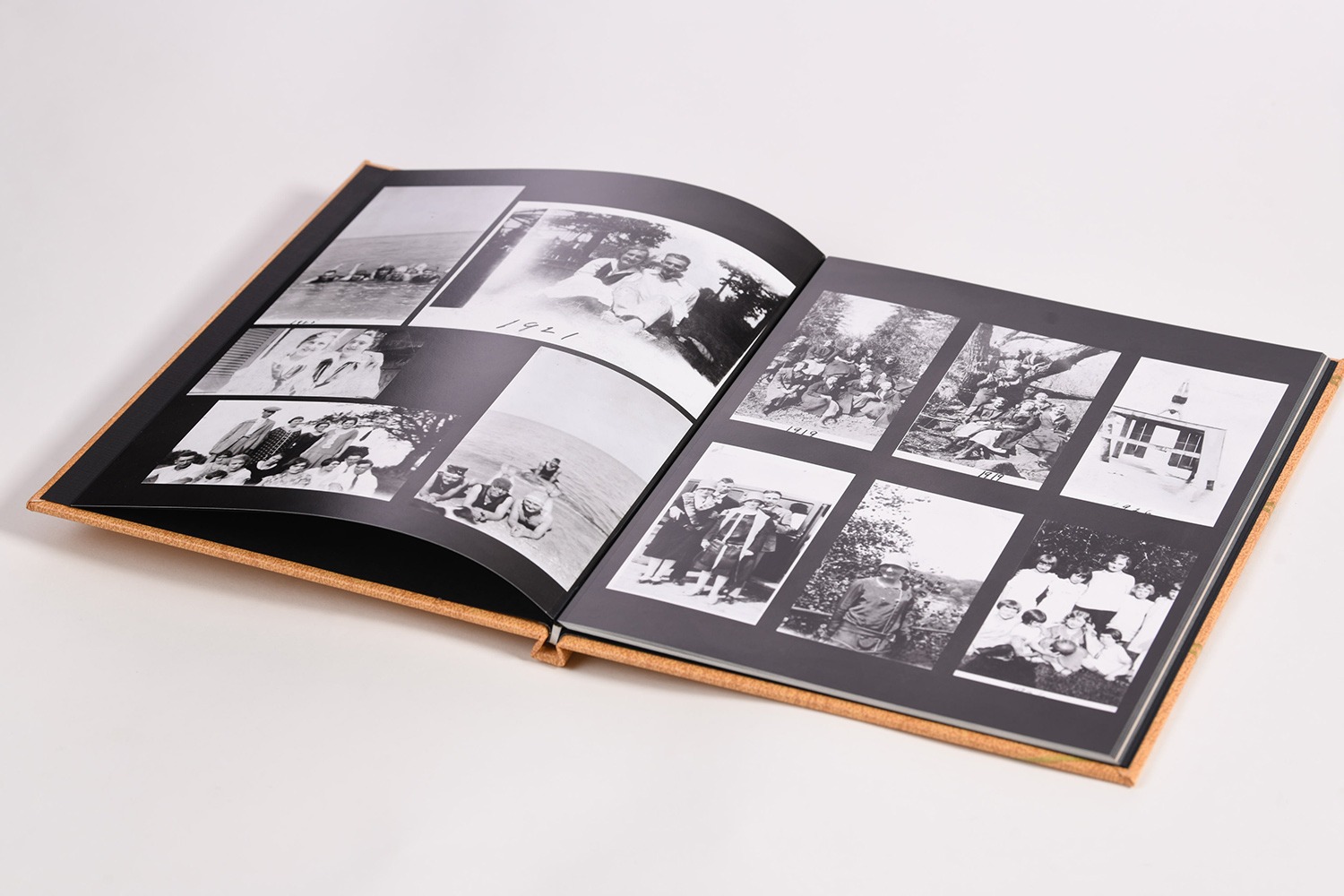
Tips & Ideas for Your Family Photo Albums
So, what do you do with your albums, antique or modern? First, we never advocate for throwing original albums away. While there are a few exceptions, we believe it is important to keep original photos and negatives. Digital formats and storage are always changing, but your original photo and negatives will remain stable if you take care of them.
That being said, here are a few ideas:
- Copy: You can easily copy your album and replicate it to share with family members. You can give them the digital files to make their own albums, or you can make one for them.
- Repair: Some albums become damaged because they are so loved. The spines tear. Pages and covers disappear. Photo slip in their pages. Sometimes, this damage can be easily repaired or stabilized.
- Restore: When the unfortunate happens (flooded basement, fire, mold, etc.), you can restore and save your photos. If the original album is beyond repair, you can replace it with a new one. Sticky albums should always be replaced. You can read more about them here.
- Store: Protect your albums from dust, bugs, and other environmental damage with museum boxes and slip covers. Many modern archival albums comes with a tight-fitting slip cover that looks very sharp and protects your photos.
- Donate or Sell: If no one wants your albums, you don’t have to throw them away. Look into organizations that may be interested in them. Collectors and thrifters purchase albums online, at thrift stores, and yard sales. As Tara Bremer said in the Culture Study Podcast, “We gotta always default to try to give it to its next owner.”
More importantly, you can make brand new albums today. They still exist. You can print your cell phone and digital photos and make your own family photo album. If you want something smaller and customizable, you can design a photo book. You are not without options; your photos can live beyond their digital constraints and become cherished family heirlooms.

Related Posts
Art with Lore: Don’t Force It
The best art collections are personal. There are a few ways to create your own…

Framing Inspiration: Find the Unexpected
The best art collections aren't about chasing trends. They're focused on…