
I love it when an interior designer makes design feel accessible. Instead of shrouding everything in mystery or championing a homogenous trend, they make you feel like your home and your personality are all you need to guide your process. That’s why I love this video by Lily Walters, founder and lead designer of Elter Studios.
In the video, Walters says:
“Your home can have lore. Your walls are not a blood oath. Good art does not need to look expensive; it needs to look considered.”
I would have shouted, “Yes! Someone gets it!” when I first watched the video, but my kids were sleeping. It’s important to temper one’s reactions when tiny humans are finally quiet. I felt validated and a little jealous because I wish I had come up with those sentences. “Your walls are not a blood oath” needs to be on a t-shirt.
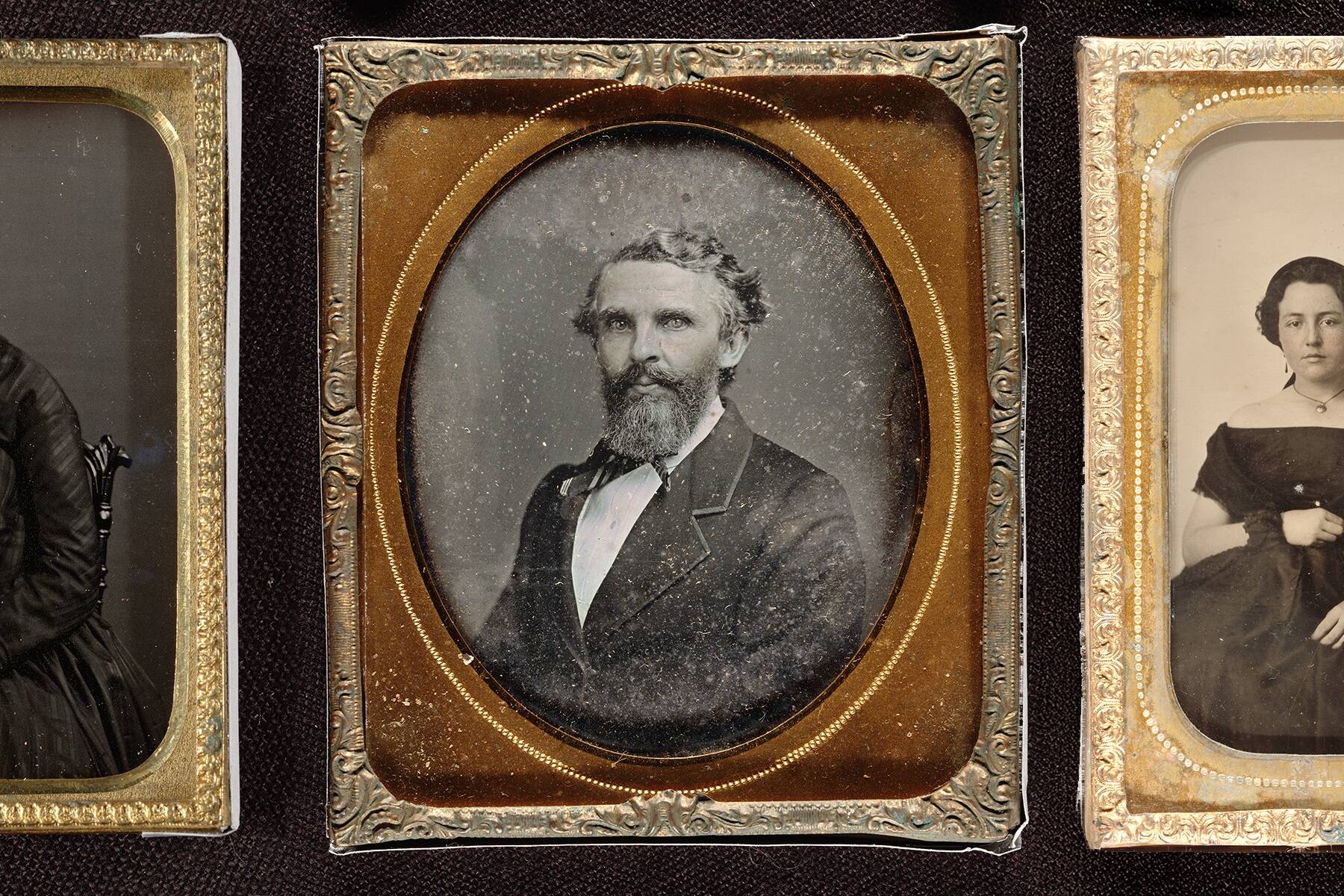
We talk about using what you have all of the time. Most of our clients have amazing stories about their art. They want to frame a rug they picked up while on a special trip. They need to reframe their grandmother’s needlepoint. They want to transform a black-and-white portrait of their mother into a breathtaking colorized work of art. Our clients smile and cry and pour their hearts into each piece.
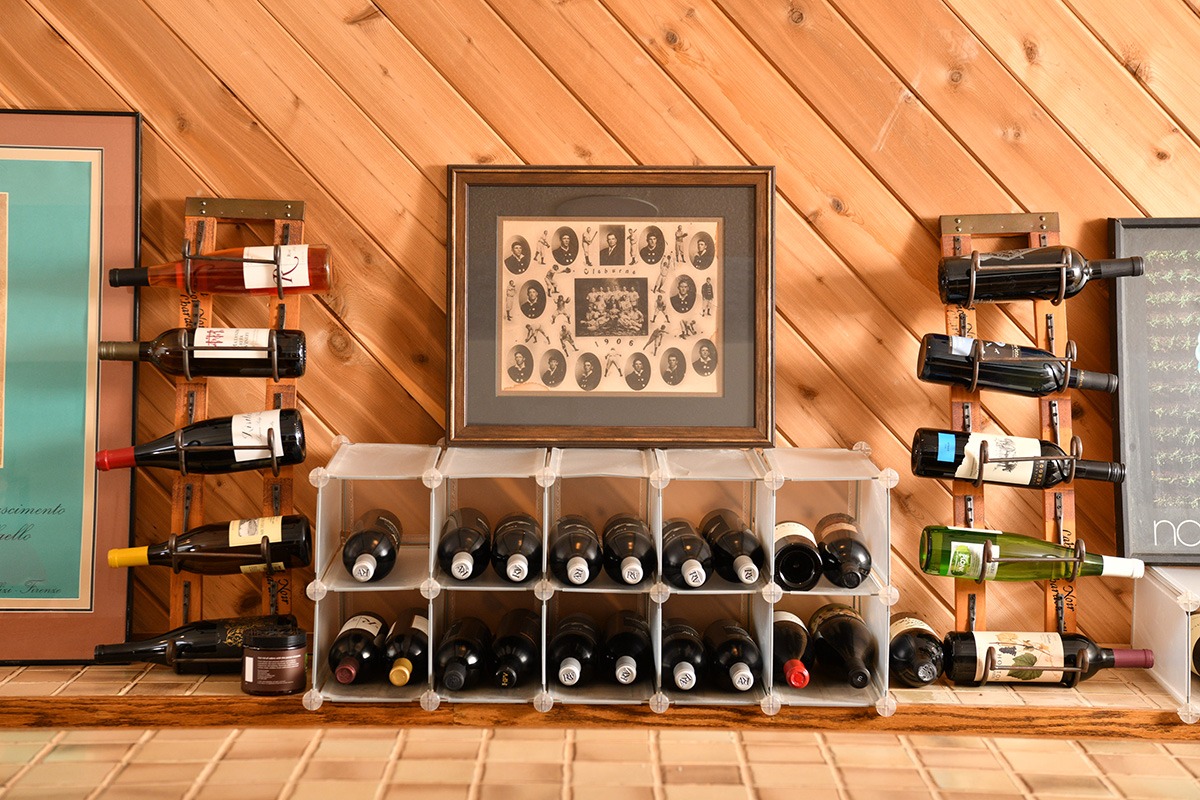
The best art collections are personal. The art has meaning and purpose; it isn’t a box-store seasonal impulse buy or a piece that kind of (but not really) looks like one spotted in a magazine spread. As Walters said, it has lore.
She had great art tips in the video too. Here’s a quick summary:
- Frame for a low-stakes space. Start with a bathroom, not the scary dining room wall.
- Go big. You don’t need an expensive giant piece of art. You can get the same effect with a poster, quilt, or oversized photo.
- Presentation matters more than size. “Small art can still feel important” with oversized mats or creative groupings.
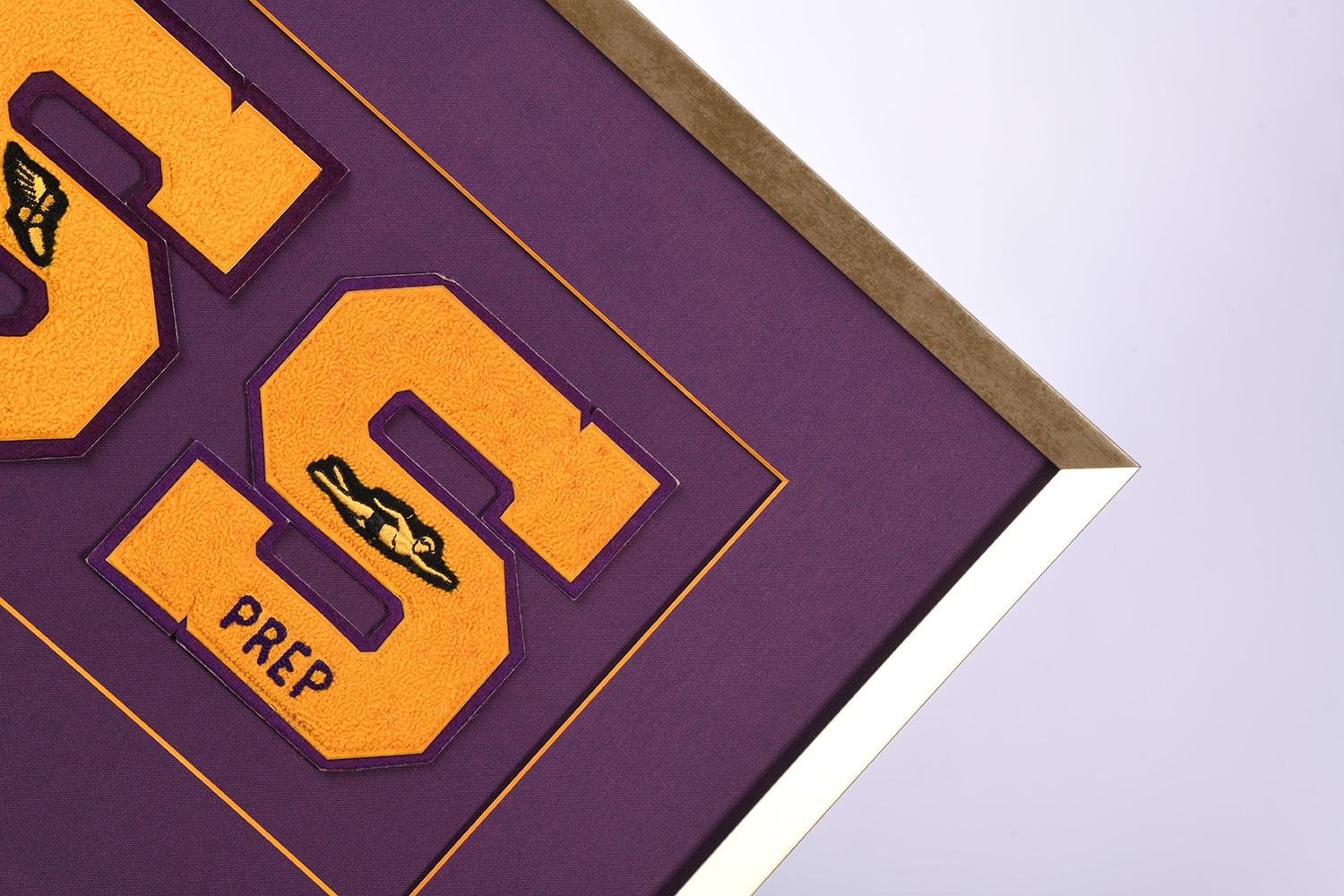
- “Frame the weird stuff.” Think beyond paintings with menus, kids’ art, postcards, etc. (This last one really hit home for me. Our studio specializes in weird. In fact, the weirder, the better.)
However, even with these tips, custom framing for your home can still feel overwhelming. I don’t know why, but hanging art feels permanent. Most people talk about art like it’s a “set it and forget it” part of interior design. Once the art is on the wall, it tends to stay there. I’ve heard multiple versions of, “This photo lived above my parents’ bed for 50 years.” Sometimes, that piece of art was precious; sometimes, it was just filler.
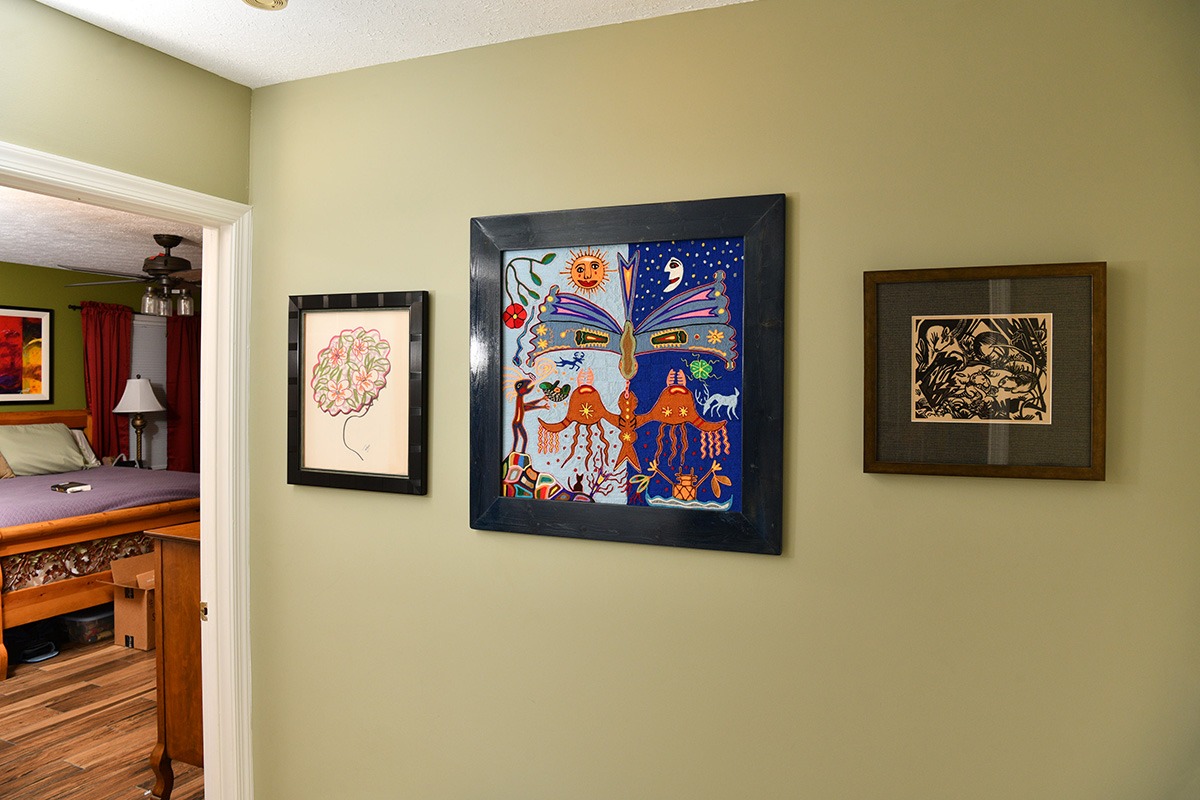
Art is an essential part of any interior design. It’s about more than filling a space with something pretty. It has a function. Art can add texture to a design. It can serve as a visual transition between rooms. Art is emotional. Many of our clients frame art that belonged to family members or reminded them of special life moments. Most of them choose pieces that make them happy.
Homes are for living. Very few of us live in generational, stately homes with collections curated over centuries. This makes me think of Downton Abbey, where the family serves as custodian of the estate rather than living in a home.
If I had to add to this list, I’d include these tips:
- Treat your home like an art gallery. One of our clients has an art closet. They rotate their art collection throughout the year to match their mood or the season, like an art gallery. You can enjoy all of your art, just not at the same time.
- Use paper to map out your design. Cut out pieces of paper to match your frame sizes. You can play with the layout on the floor before sticking the paper to the wall. Live with the design for a few days and move the paper as needed. Once you feel like you’ve got the right layout, hang your art. This way, you only have to put holes in the wall once (in theory).
- Still not sure about the design? Take a look at French cleats. You typically see French cleats in places like museums, but this display system can look very classy in a home. A French cleat has a rail system at the top of the wall that supports hanging wires. These wires have adjustable, locking hangers. You can easily slide the hangers up or down and the wires side to side to move art. This takes the pressure off of people who need a little more flexibility in their design.
- If you can’t afford a pro, grab a trusted advisor. Don’t grab the friend who is the most opinionated. Don’t grab someone just because they’re stylish. Ask the person who will help you work through your process without forcing their vision on you. Most people need a sounding board and self-confidence. Bet on yourself.
Most importantly, don’t settle. Empty walls can make you anxious. I know this because I tried to fill all of the walls in my house with art in one go. I sent Mary Lou a photo of one of my proposed layouts, and she sent back a single “no.” Not even capitalized, just “no.” It slapped me right out of my mini-panic session.
You want to take your time. Don’t rush the process and throw something up on the wall to fill a blank space. Temporary art often becomes permanent art. You get busy, and you end up living with something you only kind of like. Don’t force it. The idea of art having lore–of using what you have–should be empowering. It should inspire you to look around your home, dig through closets, and open boxes. Put your life on display.

Related Posts
Belief in the Album: A History of Family Photo Albums
The family photo album has been a staple in homes since the 1850s. Learn about…

Framing Inspiration: Find the Unexpected
The best art collections aren't about chasing trends. They're focused on…