

Family photos are supercharged with emotions. A group snapshot at the beach instantly reminds you of the sand between your toes and the smell of salt air. A graduation photo conjures those nervous and excited feelings of what’s to come. Baby photos make everyone giggle. It’s hard not to walk down memory lane whenever you look at a family photo, and that’s why we as humans get a little possessive over our images.
We don’t blame you. So many of our clients have stood in our office and said, “This is all I have.” Their family didn’t take photos, a family member had all of the images, or some tragedy destroyed everything. Whatever the reason, that single photo is one of their most prized possessions. When someone doesn’t have access to that image, they are left devastated.
We advocate for our clients to share their photo wealth. It’s impossible to go back in time to take new photos or to prevent a fire or extreme water damage. There are certain factors that just don’t change. However, you can create more than one copy of those memorable photos. Many of our clients treat this task just as seriously as financial estate planning. We’re calling it “photo estate planning.”
What is Photo Estate Planning?
Everyone has a tub or two (or 20) of photos, negatives, documents, or artifacts. Some of the pieces already have copies that are easy to distribute and share. Others are one-of-a-kind. Those are the items that need your attention. Photo estate planning means developing a photo distribution strategy, including lists of who gets what and directions for those one-of-a-kind items.
This may seem a little drastic. We like to think the best of our relatives (well, most of them) and hope that they will be as cordial and gracious as they’ve always been. However, we have seen some epic battles over baby photos as soon as a parent or sibling passed away. Relationships change permanently, sometimes ending completely. You don’t want this for your family.
Photo estate planning mitigates some of that risk. If you clearly state your wishes and develop a plan, you will help take some of the emotion out of photo distribution. When families inherit tons of photos–even if it is just one or two boxes–their first response is usually panic. What should they do with it? How do they handle their emotions? They become overwhelmed and that panic leads to possessive tendencies. It’s best to strategize as early as you can.
How Can I Plan?
Some of our clients start photo estate planning as soon as their children become adults. Others start when they are downsizing their homes or reaching another life milestone. You can begin at any point that feels comfortable to you. At our studio, we work through the process with families. It sometimes helps to have an unbiased person sort through your images and help you remove some of the emotion.
So, what are your options?
Digitizing
Digital files are your most budget-friendly and versatile option. With digital files, you can easily share images with your family using a thumb drive or cloud service. Negatives, photos (including unique formats), documents, and some artifacts can be digitized and shared with relatives across the world. They can turn digital files into photo books or enjoy the photos in a modern digital photo frame. A pro will always have a better capture and higher output, especially when it comes to damaged photos such as crazing, silvering, and patterns. Keep in mind: digital formats change all of the time. You should entrust someone to hold onto your original pieces, just in case someone needs to refer to them in the future.
Copying
Some photos and documents are too special to confine to the cloud. These are the pieces that start fights. Your solution–creating copies. With this process, you digitize the original and make a new print. If the photo has damage, a pro will restore the copies to near perfection. In fact, Mary Lou has been so good at this that it can be hard to tell which one is the original. (It’s a superpower she wields safely and wisely.) In the spirit of fairness, copies allow everyone to get a photo. No one feels left out or ignored. In some cases, a copy is even better than the original, especially if the original is damaged or deteriorating. An archival copy will outlast us all. If you feel like taking this to the next level, you can create photo albums or storage solutions for your recipient.
Donating
There are some pieces that need to be donated. Whether it is a historically relevant piece or your family doesn’t have space for it, an institution may love to have it. We feel it is always worth investigating donation opportunities when it comes to photos, documents, and artifacts. (Plus, you may be eligible for a tax deduction. Benefits galore.) If you do decide to donate, you can still digitize or copy originals before turning them over to an archivist. This way, your family can still enjoy the pieces without worrying about storage.
What about the originals? Great question. You should give them to someone who will take care of them and love them as much as–if not more than–you do. Caring for original photos and documents is an important task. It’s a tangible piece of your family history, and it is a job that should be taken seriously. The last thing you want is for boxes of your photos to sit in someone’s basement while your relatives are begging to just see one image.
Photo Estate Planning Tips
If you’re feeling overwhelmed, take a breath. It seems like a big job, but it will get easier as soon as you get started. Here are a few tips:
- Have a dedicated workspace. It’s important to have a clean working area. You don’t want the jam from breakfast to stain an image or lose a photo in a pile of tax documents. Photos are quiet and move fast. You want to make sure you have plenty of space to spread out and catch anything that may slip away from you.
- Create stacks. Have a stack for your each of your goals: copies you already have, items that need to be digitized, items that need to be copied, and pieces for donation. From there, you can create substacks for specific family members or institutions. Breaking everything out into smaller chunks will help you feel more in control and organized.
- Label and itemize your photos. One of the most important parts of any image is the story behind it. That’s part of what makes a photo so special. You can write on the back of the photo with a pencil, a notebook, or a spreadsheet–whatever format makes you the most comfortable. You can work on this part with a family member who can transcribe your memories and help keep you organized.
- Write down your plan. It may seem dramatic to write down a plan for your photos and documents. We’re talking about photos, not stocks. Well, we don’t think it’s dramatic at all. We’ve seen people more upset over photos than anything monetary. Once a photo is gone, it can be almost impossible to get it back. If you’re concerned, you can contact a lawyer or include this in your written estate. Having a written directive will put you in control and encourage others to respect your wishes.
Photo estate planning is essential for anyone who cares about their photos and documents. This process eliminates hurt feelings and reduces conflict. If you’re a genealogist or a proud family historian, you don’t want to let your hard work go to waste or see it divided up by someone who may not value your efforts. Family photos are irreplaceable, precious assets–a manifestation of memories. When disaster strikes, people grab photo albums, not furniture and jewelry. Share your photo wealth and your memories.
Interested in photo restoration? Check out our guide to photo restoration.

Related Posts
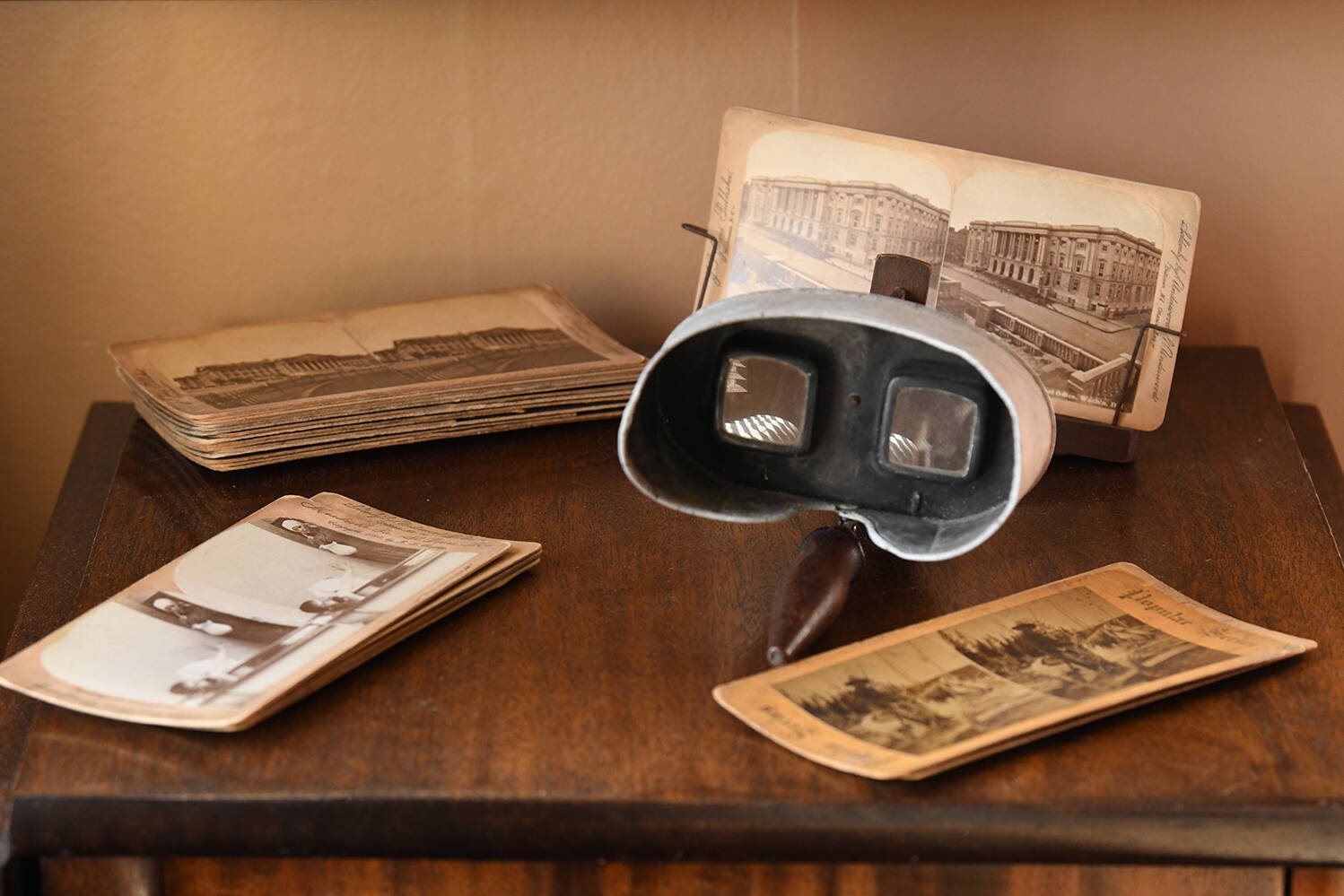
September 10, 2024
What Are Stereographs?
Stereographs were a popular form of photography that later became the…

August 15, 2024
How Do You Organize Your Photos with a Story?
Photo organization is easier than it looks. Learn how to organize your photos…
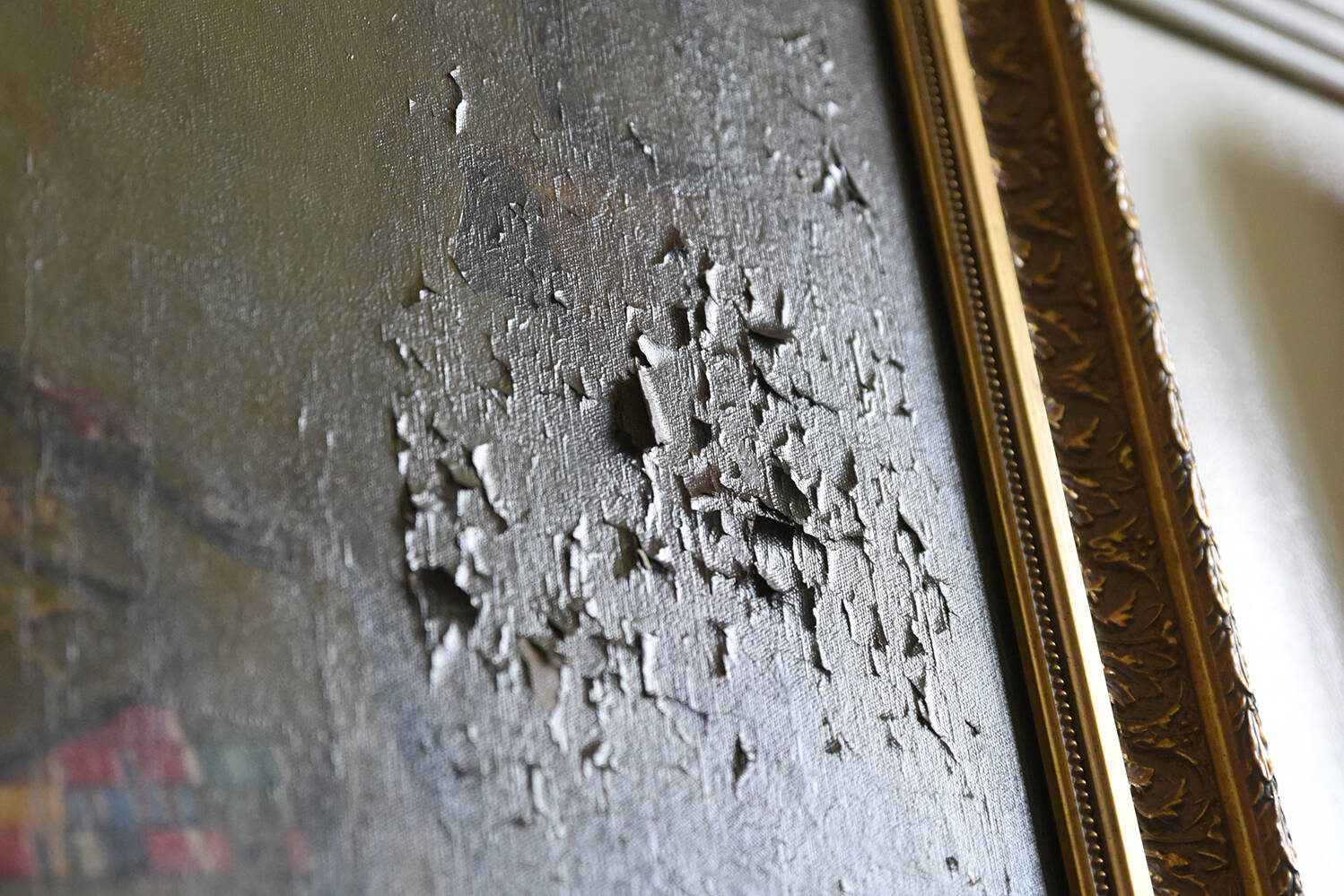
July 17, 2024
When Do You Call an Art Conservator?
Art conservators are important for public and private collectors of all sizes.…