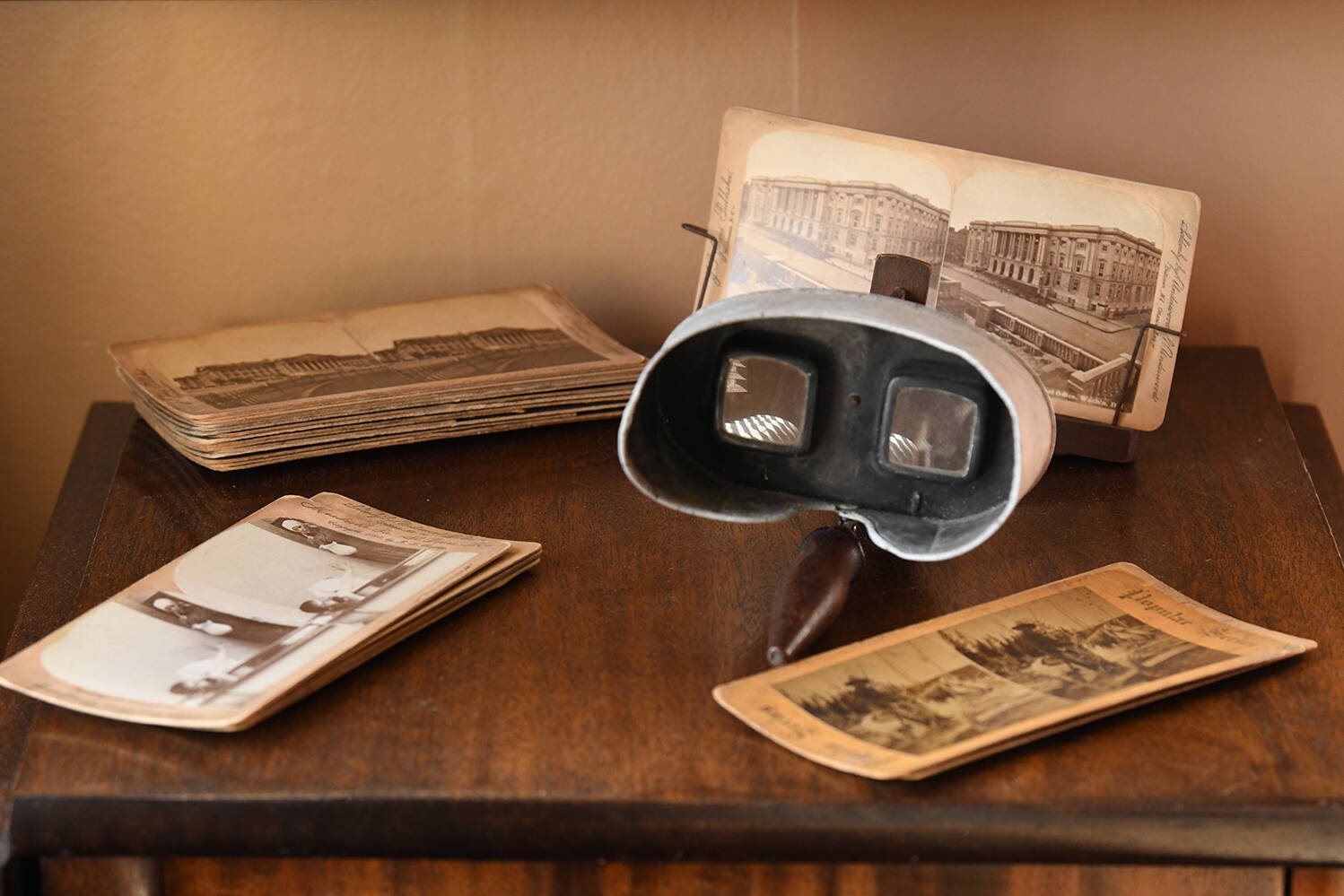

People make many assumptions about photo restoration and custom framing. AI software companies and box craft stores have done a terrific [note the sarcastic tone] job of saturating the market with hot takes and absolutes. Many of their edicts are incorrect and potentially harmful, but these corporations want you to believe them because they want you to buy their cool new product.
It’s a familiar story: new products and technology debut, people get excited, and the existing products and tech become obsolete.
That’s what they want you to think. We, however, specialize in the “obsolete,” and we have a few opinions.
Some of the photographic technologies and techniques from over 100 years ago are not only going strong, but they’ll outlast the latest digital iteration. Antique framing is usually well-made with superior craftsmanship and environmentally-friendly. Just because a photo or frame is old doesn’t mean it’s inferior or trash; it’s often a treasure that needs a little TLC. This is why you see people on Instagram and TikTok thrifting like their lives depend on it.
Our clients come in asking about advice they received from a home organizer or saw in a Facebook group. As a result, we spend a great deal of time debunking photography and custom framing myths. Here is a quick list of the top 4 photo and custom framing myths we hear from clients.
You can’t fix originals.
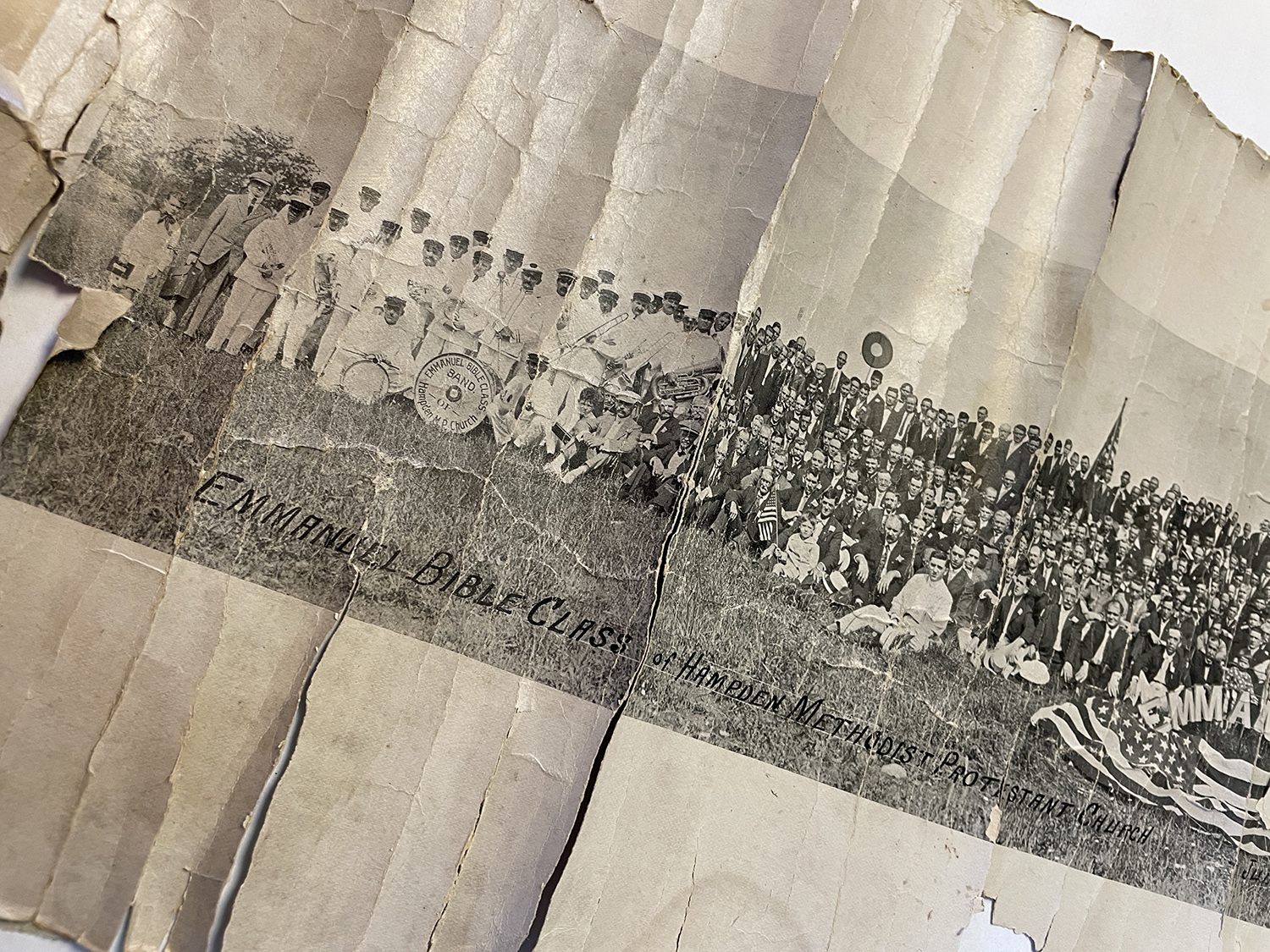
Utter nonsense. Your photo has to look like the dog chewed it for it to be totally unsalvageable, and we’ve fixed original photos that have *actually* been eaten by a dog.
Originals that are beyond saving must have serious structural or chemical damage. Think about an extremely faded color photo from over 50 years ago. It faded because it is an unstable photography format that may or may not have been handled properly. In this case, it may be true; you can’t fix those originals. There are many cases where you can save the original, and it’s good to get a professional’s opinion.
The irreversible damage isn’t always obvious. Silverfish damage on a crayon portrait looks horrific, but it can be fixed. Crazed Polaroids can be stabilized. The repair may not make the original look brand new, but that doesn’t mean you should give up on your piece. It isn’t over until Mary Lou says it’s over.
Slides and movie film will degrade.
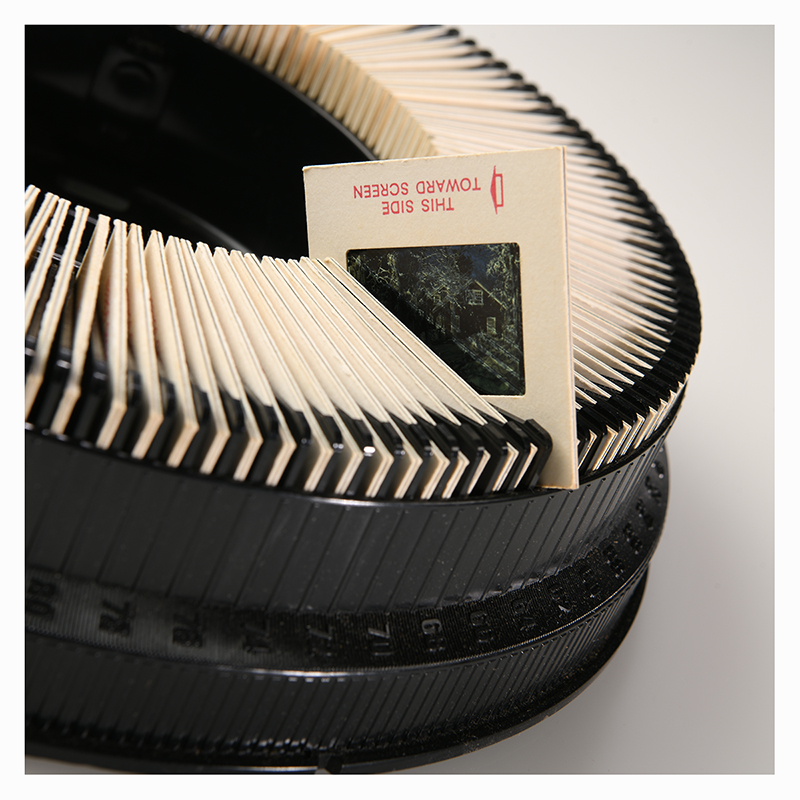
Photo negatives and slides, along with movie film, are very stable formats. We’ve made stunning prints from negatives and slides from the 1910’s. We’ve seen movie films from the 1920’s and 1930’s that look brand new. It takes a lot–and I mean a lot–for this format to break down and degrade. It’s rare to see unsalvageable films. It is extremely resilient.
We work with negatives, slides, and film every day. Like humans, the format may be old, but it isn’t useless. This isn’t a technology like floppy disks or VHS that degrade with every use. If stored correctly, these pieces will last a long time, probably longer than any of us (and definitely longer than some of the USB and hard drives that are available today).
You can’t enlarge a small photo.
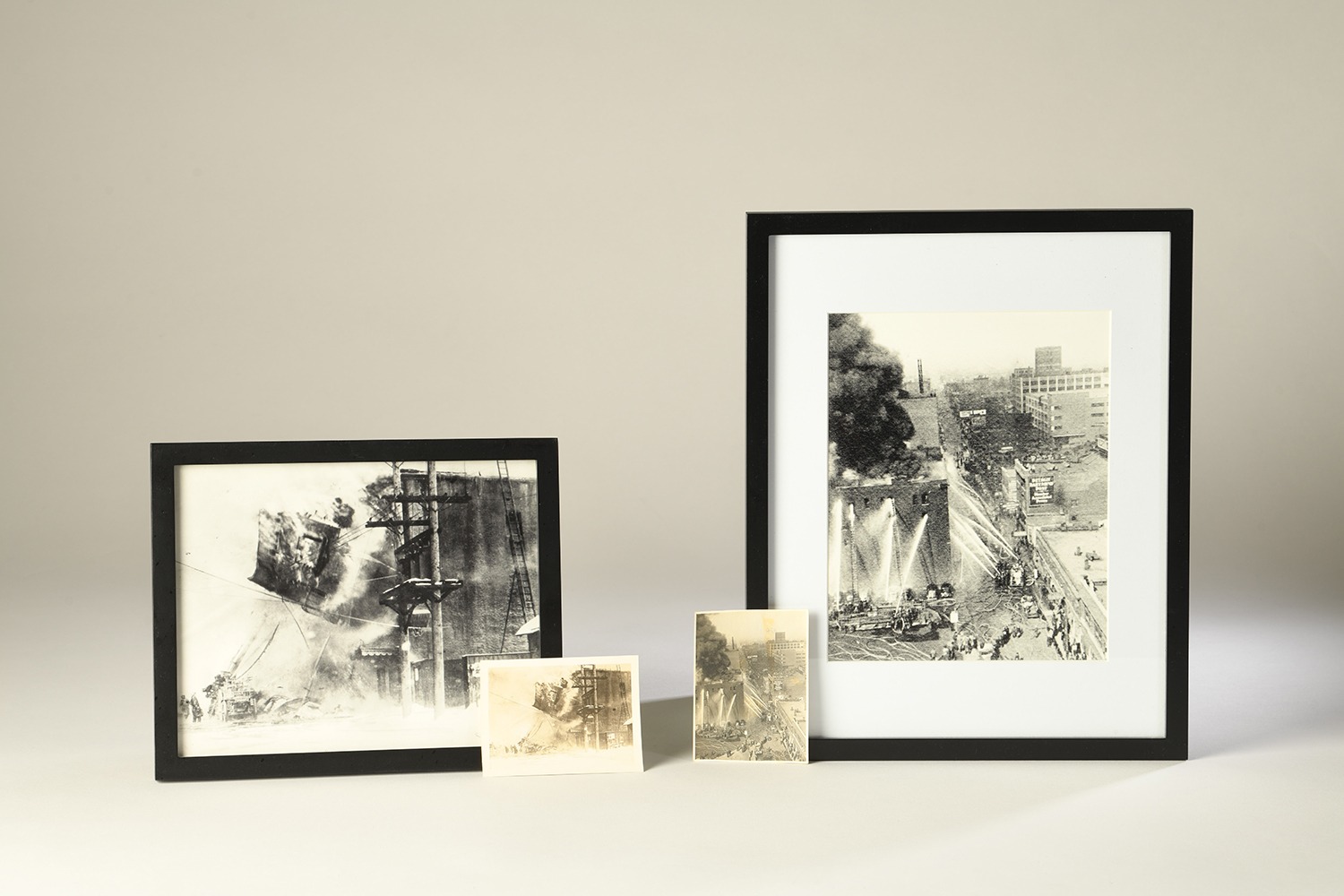
This is my favorite myth. We can enlarge anything. I’ve seen Mary Lou take a tiny beach scope negative and make a huge print of it. I’ve seen her take an antique photo booth image and turn it into a beautiful 8” x 10” portrait. Tiny photos can be made big; big photos can be made tiny.
I think most people are hung up on a photo’s quality and “crispness.” If the photo was sharp when it was originally taken, then it will look sharp when enlarged. This is the same whether we’re talking about a tintype, a color photograph, or a cell phone image. It’s the same whether we’re talking about a photo the size of a postage stamp or a 16” x 20”. High-quality input equals high-quality output.
If your photo was soft or out of focus when originally taken, then the enlargement will be soft. That’s not necessarily a bad thing. Think about the viewing distance. A small out-of-focus photo looks sharp because it’s small. You hold it further away from your face, and it appears to be sharp. With an enlargement, you need more viewing distance to get that same sharpness. If you’re going to hang the photo in a gallery wall collage, then the softness may not be as noticeable. Maybe you choose a smaller enlarged photo size. If it’s an important image or the only photo you have of a loved one, you shouldn’t let the crisp-factor get in your way.
You can’t get convex glass anymore.
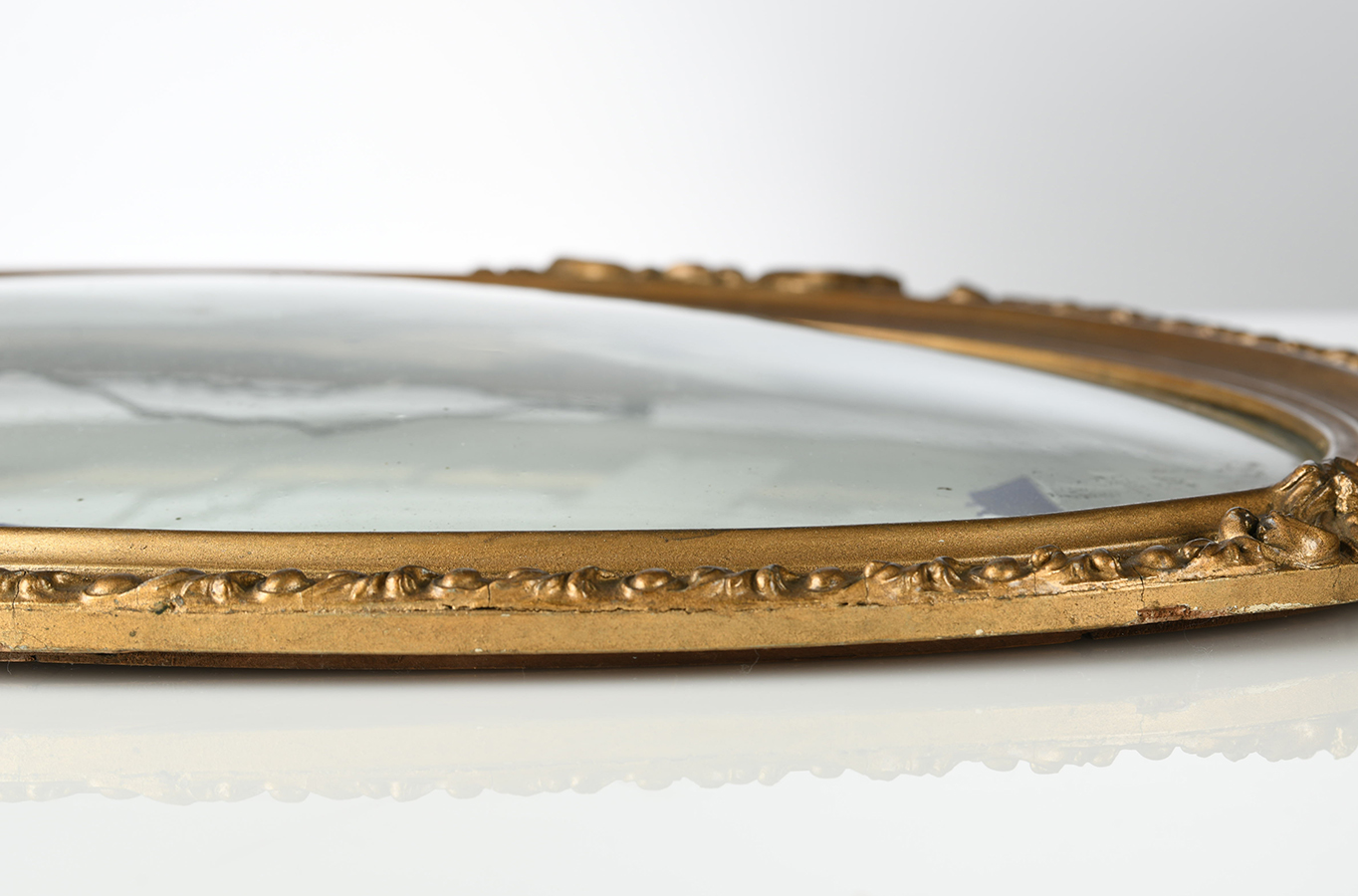
Convex glass, sometimes known as “bubble glass,” is still available today. You can even get custom sizes to fit unique antique frames. If the glass is damaged, broken, or missing, you can easily replace the glass and get a new frame fitting.
I’m not sure why people believe you can’t get convex glass anymore. It could be that they don’t see it in a box store, so they think it isn’t available. They might think it’s an old technique, so no one uses it anymore. Someone may have told them it didn’t exist anymore, and they didn’t look any further. All that matters is that convex glass still exists, and it is beautiful.
It’s easy to look at vintage photos and antique custom framing and think, “This is old, so it’s no good. We need something new.” As photo restoration and custom framing specialists, we want you to pause before deeming something obsolete or unsalvageable. It’s one thing if a piece isn’t to your taste or reminds you of bad memories; we understand that. We just don’t want you to fall prey to someone’s (intentional or unintentional) bad advice. You and your art deserve better.

Related Posts
Art with Lore: Don’t Force It
The best art collections are personal. There are a few ways to create your own…

Framing Inspiration: Find the Unexpected
The best art collections aren't about chasing trends. They're focused on…